
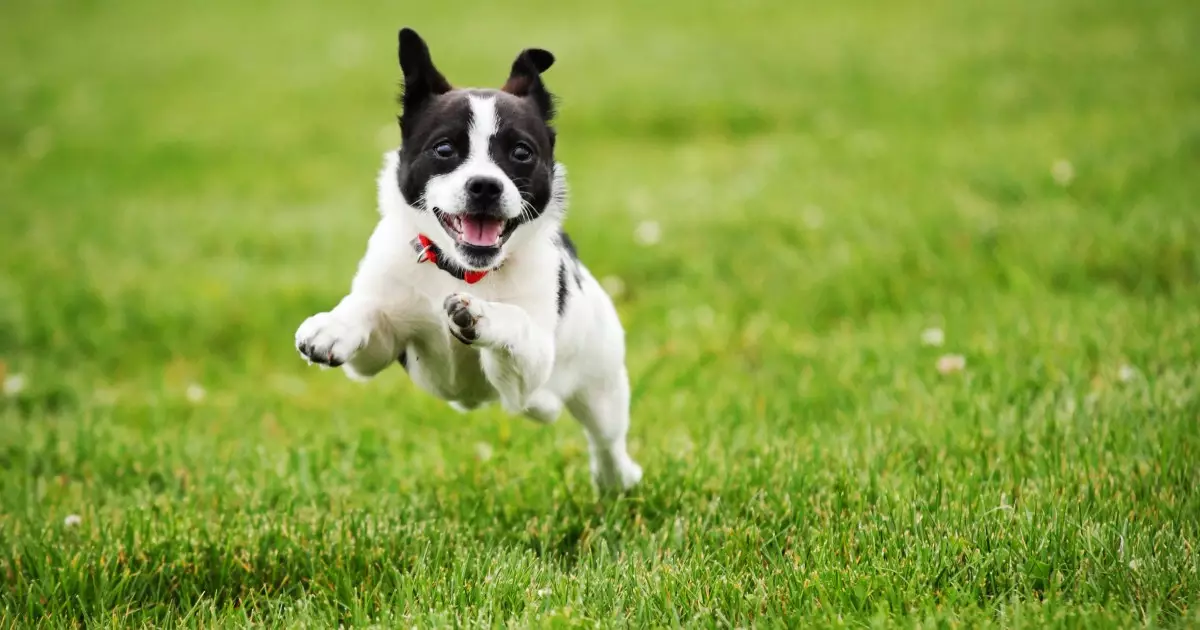
Exercise for dogs is not optional—it is one of the most important foundations of long-term physical health, emotional balance, and good behavior. From preventing obesity to reducing anxiety and destructive habits, regular movement plays a central role in your dog’s quality of life. Yet many well-meaning owners underestimate how much activity their dog actually needs or misunderstand what “enough exercise” really looks like.
In this guide, we’ll break down why exercise matters, how much activity dogs truly need at different life stages, how breed and temperament affect requirements, and how to build safe, realistic routines that support both physical and mental well-being. Whether you live in an apartment or have a large yard, this article will help you create a sustainable exercise plan that keeps your dog healthy and fulfilled.
Why Exercise for Dogs Is Essential for Health and Behavior
Exercise does far more than burn calories. It supports nearly every system in your dog’s body while also shaping behavior and emotional stability.
When dogs don’t get enough daily activity, the effects often show up as:
- Excessive barking or whining
- Destructive chewing
- Digging
- Hyperactivity
- Anxiety or restlessness
- Weight gain
- Poor impulse control
- Difficulty settling indoors
These behaviors are often mislabeled as “bad behavior,” when in reality they are symptoms of unmet physical and mental needs.
Regular exercise helps dogs:
- Maintain a healthy weight
- Strengthen muscles and joints
- Support cardiovascular health
- Improve digestion
- Reduce stress hormones
- Improve sleep quality
- Stay mentally balanced
A well-exercised dog is calmer, more responsive, and better equipped to cope with everyday life.
Understanding Your Dog’s Energy Needs
There is no universal exercise formula that fits every dog. Activity needs vary widely depending on several factors.
Breed Matters More Than Most Owners Realize
Dogs were selectively bred for specific jobs, and those instincts still influence their activity requirements today.
High-energy and working breeds typically need structured, daily exercise:
- Border Collies
- Australian Shepherds
- Belgian Malinois
- Huskies
- German Shepherds
- Labrador Retrievers
- Terriers
These dogs often require 60–120 minutes of combined physical and mental activity daily.
Lower-energy or brachycephalic breeds may need less intense exercise:
- Bulldogs
- Shih Tzus
- Pugs
- Cavalier King Charles Spaniels
These dogs still benefit from daily walks but usually tolerate shorter, lower-impact sessions.
That said, breed alone doesn’t determine everything.
Age Plays a Major Role in Exercise Needs
Puppies
Puppies are energetic, curious, and constantly learning. However, their joints and growth plates are still developing.
Best practices for puppies:
- Short, frequent activity sessions
- Avoid forced running or long-distance walks
- Focus on play, exploration, and training
- Use mental enrichment to prevent overstimulation
A common guideline is 5 minutes of structured exercise per month of age, up to twice daily, though individual tolerance varies.
Adult Dogs
Most adult dogs thrive with:
- 30–60 minutes of daily activity
- A mix of walking, play, and mental stimulation
High-energy breeds often require more, while calmer dogs may do well with less.
Senior Dogs
Aging dogs still need exercise—but in gentler forms.
Benefits for seniors include:
- Joint lubrication
- Muscle maintenance
- Weight control
- Mental stimulation
- Reduced stiffness
Shorter, more frequent walks often work better than long outings. Low-impact activities are key.
Always consult your veterinarian before changing a senior dog’s exercise routine, especially if arthritis or chronic illness is present.
How Much Exercise Does a Dog Really Need?
While needs vary, general guidelines help provide structure:
Daily Exercise Guidelines (Approximate)
- Low-energy dogs: 20–40 minutes
- Moderate-energy dogs: 45–75 minutes
- High-energy dogs: 90+ minutes
This time can be split throughout the day and include both physical and mental activities.
Remember: mental stimulation can tire a dog as effectively as physical exertion.
Physical Exercise vs. Mental Exercise
A common mistake is focusing only on physical activity. Mental stimulation is equally important.
Physical Exercise Includes:
- Walking
- Running
- Hiking
- Playing fetch
- Swimming
- Tug-of-war
- Agility drills
Mental Exercise Includes:
- Puzzle toys
- Nose work
- Training sessions
- Scent games
- Learning new commands
- Problem-solving tasks
A well-balanced routine combines both.
Why Walking Alone Isn’t Always Enough
Many owners assume a daily walk automatically meets their dog’s needs. While walking is essential, it may not provide enough stimulation on its own—especially if it’s short or repetitive.
A walk becomes more enriching when you:
- Allow sniffing time
- Vary routes
- Change pace
- Add training cues
- Incorporate brief play
Sniffing engages a dog’s brain deeply and helps regulate stress.
Creating an Effective Dog Exercise Routine
An ideal routine is consistent, flexible, and tailored to your dog.
A Balanced Weekly Routine Might Include:
- Daily walks
- 2–3 training sessions
- 2–3 play sessions
- 1–2 enrichment activities
- Occasional outings or new environments
This balance prevents boredom and supports emotional health.
Indoor Exercise Options for Bad Weather Days
Extreme heat, cold, or poor air quality can make outdoor activity unsafe. Indoor exercise becomes essential during these times.
Effective indoor options include:
- Hide-and-seek games
- Tug games
- Puzzle feeders
- Trick training
- Hallway fetch
- Stair climbing (if safe)
- Nose work
Short, structured indoor sessions can be surprisingly effective.
Exercise and Behavior: The Connection Most Owners Miss
Many behavioral challenges improve significantly with proper exercise.
Common issues linked to under-exercise include:
- Reactivity
- Hyperactivity
- Destructive chewing
- Excessive barking
- Attention-seeking behaviors
Exercise helps regulate stress hormones and improves impulse control. Dogs that receive appropriate outlets are better able to relax and focus.
Exercise Safety: What Every Owner Should Know
Watch for Signs of Overexertion
- Heavy or labored panting
- Slowing down
- Limping
- Reluctance to continue
- Excessive drooling
If you notice these signs, stop activity and allow your dog to rest.
Temperature Matters
- Avoid strenuous exercise in high heat
- Walk early morning or late evening in summer
- Protect paws from hot pavement
- Limit cold exposure in winter
Health Conditions Require Modifications
Dogs with arthritis, heart disease, or respiratory issues need customized plans. Always consult your veterinarian before increasing activity levels.
Social Exercise Options
Some dogs benefit from social interaction as part of their activity routine.
Options include:
- Dog parks (for well-socialized dogs only)
- Playdates with compatible dogs
- Doggy daycare
- Group training classes
Social exercise can provide both physical movement and mental enrichment.
However, not all dogs enjoy group settings. Introverted or anxious dogs may prefer solo or structured activities.
Exercise and Weight Management
One of the most important roles of exercise for dogs is weight control.
Obesity increases the risk of:
- Diabetes
- Joint disease
- Heart conditions
- Reduced lifespan
- Mobility loss
Exercise alone isn’t enough—nutrition must also be managed appropriately. However, consistent activity greatly supports calorie balance and metabolic health.
If your dog is overweight, weight loss should be gradual and guided by a veterinarian.
How to Tell If Your Dog Is Getting Enough Exercise
Signs your routine is working:
- Calm behavior at home
- Healthy appetite
- Good muscle tone
- Stable weight
- Restful sleep
- Improved focus
Signs your dog may need more stimulation:
- Destructive behavior
- Restlessness
- Excessive barking
- Weight gain
- Hyperactivity
Adjust routines gradually and observe changes.
Making Exercise a Sustainable Habit
Consistency matters more than intensity.
Tips for long-term success:
- Build exercise into your daily schedule
- Rotate activities to prevent boredom
- Keep sessions short but meaningful
- Track progress
- Adjust as your dog ages
Exercise should feel enjoyable, not like a chore.
When to Consult a Professional
Seek veterinary or professional guidance if:
- Your dog shows pain or lameness
- You’re unsure how much exercise is safe
- Weight issues persist
- Behavioral problems continue
- Your dog has medical conditions
A veterinarian or certified trainer can help create a safe, effective plan.
Frequently Asked Questions (FAQ)
How much exercise does a dog need per day?
Most dogs need 30–60 minutes of daily activity, depending on breed, age, and health.
Is walking enough exercise for dogs?
Walking helps, but many dogs also need mental stimulation or higher-intensity activity.
Can dogs get too much exercise?
Yes. Overexertion can cause joint strain, heat exhaustion, or injury, especially in puppies and seniors.
Do small dogs need exercise?
Yes. Small dogs still require daily activity, though usually at lower intensity.
What if I don’t have time every day?
Short sessions, enrichment toys, or help from a walker or daycare can fill the gap.
Final Thoughts: Exercise Is a Cornerstone of Canine Well-Being
Exercise for dogs is not a luxury or optional extra—it’s a biological need tied directly to health, behavior, and happiness. A thoughtful routine that balances physical movement, mental stimulation, and rest can transform your dog’s quality of life.
By understanding your dog’s individual needs and making activity part of your daily rhythm, you create more than just exercise—you create connection, trust, and long-term well-being.
A well-exercised dog is not just healthier. They are calmer, more confident, and better equipped to thrive as a beloved member of your family.

- Empowering Solutions for Involuntary Urination in Dogs - January 1, 2026
- Unleashing the Power of Farm Dogs: The Unsung Heroes of the Countryside - January 1, 2026
- The Unforgettable Charm of Animated Dog Movies: A Journey of Friendship and Adventure - January 1, 2026