
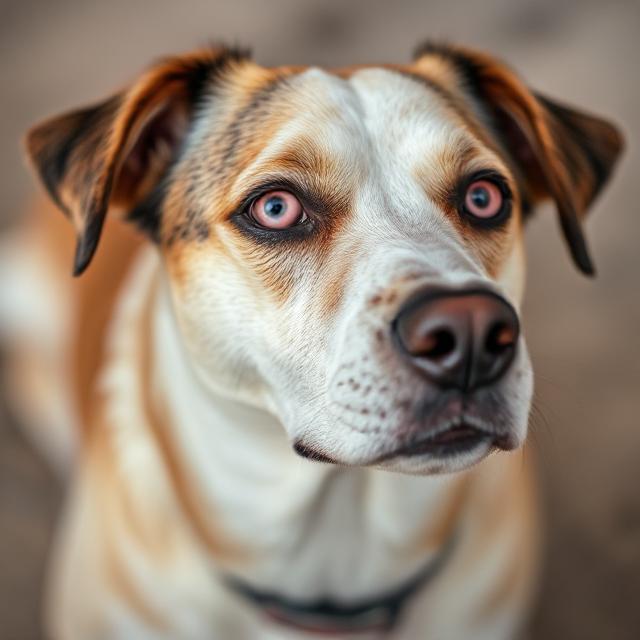
You wake up to find your dog’s eyes looking red and watery, with crusty discharge stuck to their fur. They’re pawing at their face, clearly uncomfortable, and you can see something’s wrong. If this sounds familiar, your furry friend might have conjunctivitis, commonly known as pink eye. The good news? Many mild cases of dog conjunctivitis can be managed at home with simple, safe remedies that bring real relief.
Conjunctivitis in dogs is an inflammation of the thin membrane covering the eye and inner eyelid. While it looks alarming, mild cases often respond well to gentle home care like warm compresses, saline rinses, and keeping the eye area clean. However, it’s important to know when home treatment is appropriate and when you need to head straight to the vet. Throughout this guide, we’ll walk through everything you need to know about treating your dog’s eye infection safely at home.
Understanding What Conjunctivitis Really Means for Your Dog
Before jumping into remedies, let’s talk about what’s actually happening in your dog’s eye. Conjunctivitis is inflammation of the conjunctiva, which is that thin, clear tissue covering the white part of the eye and lining the eyelids. When this tissue gets irritated or infected, it becomes red, swollen, and produces discharge.
Dogs get conjunctivitis for many reasons. Allergies are a big culprit, especially during spring and fall when pollen counts spike. Dust, smoke, and household chemicals can also trigger it. Sometimes bacteria or viruses are to blame, particularly if your dog has been around other sick dogs at the park or doggy daycare. Foreign objects like grass seeds, dirt, or even an ingrown eyelash can cause irritation, too.
According to veterinary ophthalmology research published in the journal Veterinary Ophthalmology, conjunctivitis is one of the most common eye conditions veterinarians see in dogs, affecting breeds of all ages and sizes. The study found that environmental allergies and bacterial infections were among the leading causes.
You’ll notice several telltale signs when your dog has conjunctivitis. Their eyes look red or bloodshot, especially around the edges. There’s usually discharge that can be clear and watery, thick and mucus-like, or yellow and green if bacteria are involved. Your dog might squint, blink more than usual, or keep their eye partially closed. Many dogs paw at their eyes because they’re itchy or uncomfortable. You might also see swelling around the eyelids or notice crusty buildup, especially after they’ve been sleeping.
The type of discharge actually tells you a lot. Clear, watery discharge usually points to allergies or a viral infection. Thick, white, or gray mucus often means dry eye or irritation. Yellow or green pus signals a bacterial infection that needs attention.
When Home Remedies Make Sense and When They Don’t
Here’s the truth: home remedies work great for mild conjunctivitis, but they’re not right for every situation. You can try home treatment when your dog has slight redness, clear or slightly cloudy discharge, and seems only mildly bothered by their eye. If it’s clearly allergies and you’ve seen this before, home care can help manage symptoms while you address the underlying trigger.
Home remedies also work well as supportive care alongside vet-prescribed medications. Your vet might tell you to use warm compresses in addition to antibiotic drops, for example.
But some situations need immediate veterinary attention. Don’t mess around with home remedies if your dog has thick yellow or green discharge, which screams bacterial infection. If they’re in obvious pain, keeping their eye completely shut, or sensitive to light, get them checked. Any changes in the eye’s appearance, like cloudiness, bulging, or a different pupil size, require professional care right away.
If you suspect something’s stuck in the eye or your dog injured it somehow, head to the vet. And if you’ve tried home treatment for 24 hours without any improvement, or if things are getting worse, it’s time for professional help. Puppies and senior dogs with conjunctivitis should always be evaluated by a vet because their immune systems need extra support.
Trust your gut. If something feels seriously wrong, it probably is.
Safe and Effective Home Remedies That Actually Work
Now let’s get into the remedies that can bring your dog real relief. These treatments have been used by dog owners for generations and are generally safe when done correctly.
Warm Compress Treatment
A warm compress is probably the simplest and most effective thing you can do at home. The gentle heat soothes inflammation, loosens crusty discharge, and increases blood flow to help healing.
Here’s how to do it right. Get a clean washcloth and soak it in warm water. The water should feel comfortably warm on your wrist, like you’d use for a baby’s bath. Wring out excess water so it’s damp but not dripping. Gently hold the compress against your dog’s closed eye for five to ten minutes. Don’t press hard, just let it rest there. Do this three to four times throughout the day.
The keyword is clean. Use a fresh, clean cloth every single time. Never reuse a cloth without washing it first because you could spread an infection. If both eyes are affected, use separate cloths for each eye. And please, make sure the water isn’t too hot. What feels warm to your hand might be too hot for delicate eye tissue.
Most dogs actually enjoy this once they realize it feels good. My own dog used to lean into the compress and close his eyes like he was at a spa.
Saline Solution Rinse
A saline rinse flushes out irritants, allergens, and discharge without using harsh chemicals. It’s basically salt water, which is gentle enough for sensitive eyes but effective at cleaning.
You can make your own by mixing one teaspoon of salt into one cup of distilled water. Stir until completely dissolved, then let it cool to room temperature. Store-bought sterile saline solution from the pharmacy works too, just make sure it’s plain saline with no additives or preservatives.
To apply it, soak a clean cotton ball in the solution and gently squeeze it over your dog’s eye, letting the liquid run across the surface. You can also use a clean dropper if your dog tolerates it. Do these two to three times daily, especially before applying any other treatments.
Always use a fresh solution. Don’t dip the same cotton ball back into your saline mix because you’ll contaminate it.
Chamomile Tea Compress
Chamomile has natural anti-inflammatory and mild antimicrobial properties that can help soothe irritated eyes. People have used chamomile for eye irritation for centuries, and it works for dogs, too.
Brew a cup of chamomile tea using a regular tea bag and hot water. Let it steep for a few minutes, then remove the tea bag and let the tea cool completely. I mean, completely cool, not just lukewarm. Once it’s room temperature, soak a clean cloth or cotton pad in the tea and apply it as a compress to your dog’s closed eye for five to ten minutes.
Never put the tea directly into your dog’s eye. It’s meant to be used as an external compress only. And skip this remedy if your dog has plant allergies, since chamomile is related to ragweed and could potentially cause a reaction.
Green Tea Treatment
Green tea contains powerful antioxidants and anti-inflammatory compounds that can reduce swelling and redness. The process is basically the same as that of chamomile.
Brew green tea, let it cool completely, strain it well to remove any tea particles, and use it on a cotton pad as a compress. Apply it gently to the closed eye a couple of times a day. Again, this is for external use only.
Go for organic green tea when possible to avoid pesticides near those sensitive eyes.
Coconut Oil for Crusty Buildup
Coconut oil has antimicrobial properties and can help with the crusty, dried discharge that builds up around the eye. But let me be very clear: coconut oil goes around the eye, not in it.
Use organic, virgin coconut oil. Warm a tiny bit between your fingers until it melts, then gently massage it onto the fur and skin around your dog’s eye where the crusty stuff has accumulated. This softens the buildup and makes it easier to wipe away. It also moisturizes the irritated skin in that area.
The oil will help prevent that painful pulling when you’re trying to clean away dried discharge. Just don’t get it in the actual eyeball.
Keeping Their Environment Clean
Sometimes the best remedy isn’t something you apply to your dog, but changes you make around them. If allergies are causing the conjunctivitis, managing the environment makes a huge difference.
Wash their bedding in hot water weekly. Vacuum your home regularly, especially if you have carpet. Consider running an air purifier in rooms where your dog spends most of their time. During high pollen days, wipe your dog’s face and paws when they come inside from walks.
Remove obvious irritants like cigarette smoke, strong perfumes, and harsh cleaning chemicals from your dog’s space. When you’re cleaning, use pet-safe products and make sure areas are well ventilated.
If you’re driving with your dog, don’t let them stick their head out the window. I know they love it, but wind, dust, and debris flying into their eyes can cause or worsen conjunctivitis.
Boosting Their Immune System Through Nutrition
A strong immune system helps your dog fight off infections and heal faster. Make sure they’re eating high-quality dog food with real meat as the first ingredient. Add some omega-3 fatty acids to their diet through fish oil supplements or by mixing in a bit of cooked salmon.
Foods rich in antioxidants support eye health. Small amounts of blueberries, carrots, and sweet potatoes can be beneficial. Always check with your vet before adding supplements or significantly changing your dog’s diet.
Fresh, clean water should always be available. Proper hydration supports every system in your dog’s body, including their ability to heal.
How to Apply Treatments Safely and Effectively
Even the best remedy won’t work if you’re not applying it correctly. Let’s talk technique.
First, hygiene matters more than you might think. Wash your hands thoroughly before and after treating your dog’s eyes. Use a new, clean cotton ball, pad, or cloth for each application. If you’re treating both eyes, use separate materials for each one. Throw away used materials immediately and wash any reusable cloths in hot water.
Getting your dog to cooperate is half the battle. Most dogs don’t naturally love having their face touched, especially when their eyes are bothering them. Stay calm and use a soothing voice. Having treats nearby helps create positive associations.
For smaller dogs, you might gently tuck them against your body with one arm while using your free hand to apply the treatment. Larger dogs often do better sitting or lying down. If your dog is really wiggly or anxious, ask someone to help hold them gently but firmly.
Never force it if your dog is getting extremely stressed. A stressed, struggling dog might get accidentally poked in the eye, which obviously makes everything worse.
Approach from the side rather than straight on, which feels less threatening. Use gentle, confident movements. If you’re nervous, your dog will pick up on that energy.
Keep notes about what you’re seeing and doing. Write down when symptoms started, which remedies you’re using, and whether you’re seeing improvement or not. Take photos of your dog’s eye each day. This documentation is incredibly helpful if you end up needing to see the vet.
What You Should Absolutely Never Do
Some “home remedies” floating around the internet are not just ineffective but actually dangerous. Let’s clear up what not to do.
Never use human eye drops unless your vet specifically tells you to. Many contain ingredients that are toxic to dogs or can cause damage. That includes Visine, allergy drops, and even some artificial tears. What’s safe for humans isn’t automatically safe for dogs.
Don’t put undiluted essential oils anywhere near your dog’s eyes. Essential oils are highly concentrated and can cause severe irritation or chemical burns. Even diluted oils should be avoided around the eyes.
Forget what you’ve heard about using breast milk or regular cow’s milk in your dog’s eye. While breast milk has antibodies, it’s not sterile and can introduce bacteria. It’s not an effective treatment and could make things worse.
Apple cider vinegar is another one that people suggest. Don’t do it. The acidity can burn delicate eye tissue, even when diluted. The same goes for hydrogen peroxide and boric acid solutions.
Avoid rubbing or wiping your dog’s eye aggressively. Be gentle. Rough handling causes more irritation and could damage the eye.
Don’t stop treatment the moment you see improvement. Eye infections and inflammation need consistent treatment for several days to fully resolve. Stopping too early means the problem will likely come right back.
And please, don’t play the waiting game too long. If home remedies aren’t working within 24 to 48 hours, you need professional help. Delaying proper treatment can lead to complications, including vision loss in severe cases.
Recognizing When Your Dog Needs a Vet
Sometimes home treatment just isn’t enough. You need to know when to make that appointment.
Head to the vet if symptoms last more than two days despite home treatment. If your dog’s eye is getting worse instead of better, that’s a clear sign they need prescription medication. Any cloudiness in the eye itself, changes in pupil size, or bulging require immediate attention.
Behavioral changes matter too. If your dog is lethargic, won’t eat, or seems more than just mildly uncomfortable, something more serious might be going on. Eye pain in dogs often shows up as overall behavioral changes.
Recurrent conjunctivitis, where it keeps coming back, needs a veterinary workup. There might be an underlying condition like dry eye, eyelid abnormalities, or allergies that need targeted treatment.
Certain breeds are prone to eye problems. Bulldogs, Pugs, Shih Tzus, and other flat-faced breeds often have eyelid issues that contribute to chronic conjunctivitis. Cocker Spaniels are prone to cherry eye. These dogs benefit from regular veterinary eye checks.
At the vet, they’ll examine your dog’s eye carefully, possibly using special lights and instruments. They might do a Schirmer tear test to measure tear production or take samples of discharge to test for bacteria. Based on what they find, they’ll prescribe appropriate medication.
According to the American College of Veterinary Ophthalmologists, bacterial conjunctivitis typically requires antibiotic eye drops or ointment. Viral conjunctivitis usually resolves on its own but might need supportive care. Allergic conjunctivitis often needs antihistamines or steroid eye drops. Dry eye requires medication to stimulate tear production.
Treatment costs vary depending on your location and the underlying cause, but a basic exam and medication typically run between $75 to $200. It’s worth it for your dog’s comfort and to prevent complications.
Preventing Future Eye Problems
Once you’ve dealt with conjunctivitis, you probably want to avoid going through it again. Prevention is definitely easier than treatment.
Make eye checks part of your routine. Once a week, take a good look at your dog’s eyes in natural light. They should be clear, bright, and free of redness or discharge. The area around the eyes should be clean without buildup.
Keep the fur around their eyes trimmed, especially if you have a long-haired breed. Hair poking into the eye constantly irritates it and creates a breeding ground for bacteria. Many groomers will do a quick eye trim between full grooming appointments.
If your dog has seasonal allergies, be proactive. Start wiping their face and paws after outdoor time before allergy season hits. Talk to your vet about antihistamines that can be given preventively during peak allergy months.
Regular vet checkups catch problems early. Annual exams should include a basic eye check. For breeds prone to eye issues or senior dogs, your vet might recommend more frequent checks.
During playtime, watch for hazards. Sticks, especially, can poke eyes when dogs are running around with them. Tennis balls are safer. If your dog plays rough with other dogs, watch for scratches around the face and eyes.
In the car, keep windows mostly closed or use a pet barrier that prevents your dog from sticking their head out. The breeze feels great to them, but it’s an invitation for debris and irritants.
Answering Your Most Common Questions
Can I use human eye drops on my dog?
No, not unless your vet specifically recommends a particular product. Most human eye drops contain ingredients that aren’t safe for dogs. Some artificial tears are okay, but you need to verify with your vet first. It’s not worth the risk.
How long does conjunctivitis usually last in dogs?
With proper treatment, mild conjunctivitis often improves within three to five days. Bacterial infections treated with antibiotics typically clear up within a week. Allergic conjunctivitis might last as long as your dog is exposed to the allergen, but symptoms should improve with treatment. If it’s lasting longer than two weeks, something else might be going on.
Can humans catch conjunctivitis from dogs?
It depends on the cause. Most dog conjunctivitis isn’t contagious to humans. However, certain bacterial and viral infections can potentially spread, though it’s rare. Practice good hygiene when treating your dog, washing your hands before and after, and you’ll be fine. If multiple pets in your home have it, keep them separated until it clears up.
Will conjunctivitis make my dog go blind?
Mild conjunctivitis treated properly almost never causes blindness. However, severe infections left untreated can potentially spread deeper into the eye structures and cause serious damage. This is rare but possible, which is why getting persistent or severe cases checked out matters.
What’s the difference between conjunctivitis and other eye infections?
Conjunctivitis specifically affects the conjunctiva, that thin membrane over the eye’s surface. Other eye infections might affect the cornea (the clear front part of the eye), the interior structures, or the eyelids themselves. Conjunctivitis causes redness primarily on the white part and under the eyelids, with discharge. More serious infections might cause cloudiness of the eye itself, visible ulcers, or more severe pain.
Are certain dog breeds more likely to get conjunctivitis?
Yes, breeds with prominent eyes, like Pugs, Bulldogs, and Boston Terriers, are more prone to eye irritation and infection because their eyes are more exposed. Breeds with lots of facial wrinkles or droopy eyelids, like Basset Hounds and Bloodhounds, also have higher rates. Cocker Spaniels and Poodles tend toward allergies that can trigger conjunctivitis.
How much does veterinary treatment typically cost?
A basic eye exam usually runs $50 to $100. If they need to do testing, add another $50 to $100. Prescription eye medications range from $20 to $80, depending on the type and brand. So you’re looking at roughly $75 to $200 total for straightforward conjunctivitis. Complicated cases requiring specialist referral will cost more.
Final Thoughts on Caring for Your Dog’s Eyes
Your dog’s eyes are windows to their health, and conjunctivitis, while common, shouldn’t be ignored. Home remedies for conjunctivitis in dogs can provide genuine relief for mild cases, especially when you catch problems early and treat them consistently.
The warm compress technique, saline rinses, and environmental management form the foundation of effective home care. These simple treatments reduce inflammation, clear away irritants, and support natural healing. Combined with good nutrition and a clean environment, your dog’s eyes often bounce back quickly.
But remember, you’re not alone in this. Your veterinarian is your partner in keeping your dog healthy. Home remedies work wonderfully for mild issues, but they’re not replacements for professional care when it’s needed. That yellow discharge, persistent redness, or obvious pain is your dog’s way of saying they need more than home treatment can provide.
Trust your instincts as a pet parent. You know your dog better than anyone. If something feels off, if treatments aren’t working, or if you’re just not sure, make that call to your vet. There’s no shame in asking for help. In fact, recognizing when you need professional guidance is part of being a responsible dog owner.
Keep those eyes clean, stay consistent with treatment, and don’t hesitate to escalate care when needed. Your furry friend depends on you to be their advocate and caretaker. With the right approach, that red, irritated eye will clear up, and you’ll both be back to your normal routine before you know it.
Most importantly, prevention beats treatment every time. Regular eye checks, a clean environment, and attention to your dog’s overall health go a long way toward keeping conjunctivitis from becoming a recurring problem. Your dog can’t tell you when something’s wrong, but their eyes will show you. Pay attention, act quickly, and they’ll thank you with many more years of clear, bright, happy eyes looking back at you with pure love.

- Dog Pink Eye Home Remedy: Natural Ways to Soothe Your Pup’s Red, Irritated Eyes - January 15, 2026
- Home Remedies for Dog UTI - January 15, 2026
- Stop Panic! Vet First & Safe Home Remedies for Dog Who Ate Chicken Bones - January 15, 2026