
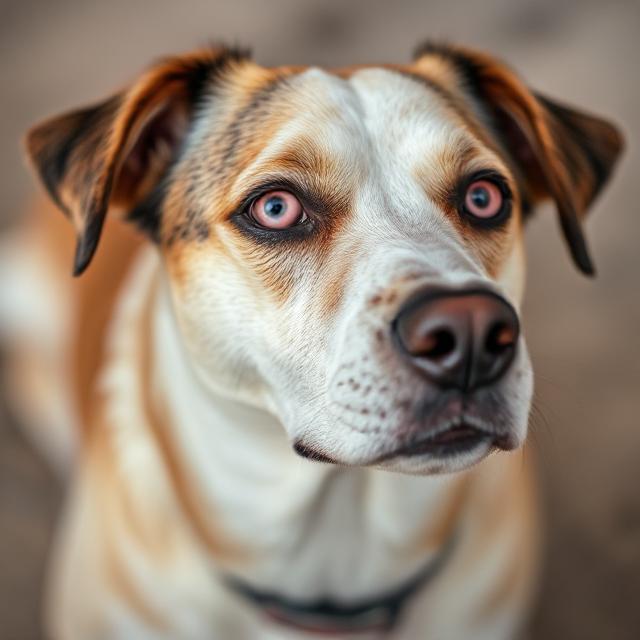
You walk into the living room and notice your dog pawing at their face. When they look up at you, your heart sinks. One eye is red and watery, with crusty discharge stuck to the fur around it. Sound familiar? Pink eye in dogs is more common than most pet owners realize, and watching your furry friend suffer through it is never easy.
The good news is that mild cases of dog pink eye can often be treated at home with simple, safe remedies. Before you panic or rush to the emergency vet, there are several gentle treatments you can try to soothe your dog’s irritated eyes. In this guide, you’ll learn which home remedies actually work, when it’s safe to treat pink eye at home, and the warning signs that mean you need to see a veterinarian right away.
What Exactly Is Pink Eye in Dogs?
Pink eye, medically known as conjunctivitis, happens when the tissue lining your dog’s eyelid becomes inflamed. The conjunctiva is a thin, protective membrane that keeps the eye moist and shields it from dust, germs, and other irritants. When this tissue gets irritated or infected, it swells up and turns pink or red, giving the condition its common name.
Dogs get pink eye for many different reasons. Sometimes it’s caused by bacteria or viruses. Other times, allergies are the culprit, whether from pollen, dust, or something in their food. A speck of dirt, a grass seed, or even a stray eyelash can trigger inflammation. According to veterinary ophthalmology research published by the American College of Veterinary Ophthalmologists, conjunctivitis is one of the most common eye problems seen in dogs, affecting all breeds and ages.
The symptoms are usually pretty obvious. Your dog’s eye might look red or pink around the edges. You’ll probably notice discharge, which can be clear and watery or thick and yellow depending on what’s causing the problem. Dogs with pink eye often squint, blink more than usual, or rub their face on furniture or the carpet. Some dogs become sensitive to bright light and prefer to hang out in darker rooms.
Certain breeds face higher risks. Bulldogs, Pugs, and other flat-faced dogs are more prone to eye problems because their eyes stick out more. Cocker Spaniels and Bloodhounds, with their droopy eyelids, can also develop pink eye more easily. Long-haired breeds like Shih Tzus need extra attention because hair around the eyes can cause irritation.
Can You Treat Dog Pink Eye at Home or Do You Need a Vet?
This is the million dollar question, and the answer depends entirely on what you’re seeing. Mild pink eye with just a little redness and no thick discharge? You can usually handle that at home. But certain symptoms mean you need professional help, and trying to treat them yourself could make things worse.
You can try home remedies when:
Your dog has mild redness in one or both eyes without a lot of discharge. The symptoms just started in the last 12 to 24 hours. Your dog seems comfortable and isn’t in obvious pain. You suspect allergies or minor irritation from something like dust or pollen. The eye itself looks clear, with no cloudiness or color changes.
Get to the vet immediately if:
Thick yellow or green discharge is oozing from the eye. This usually signals a bacterial infection that needs antibiotics. The eye looks cloudy, or you notice any change in the color of the eyeball itself. Your dog’s eye is extremely swollen or they seem to be in serious pain. Your puppy has pink eye. Young dogs have weaker immune systems and need professional care fast. The symptoms have lasted more than 48 hours without improvement. Your dog’s vision seems affected. They’re bumping into things or having trouble seeing. Both eyes are severely red and inflamed at the same time.
The Cornell University College of Veterinary Medicine emphasizes that eye problems in dogs can deteriorate quickly. What starts as mild irritation in the morning can become a serious infection by evening. When in doubt, make the call to your vet. It’s always better to be safe when it comes to your dog’s eyesight.
Safe and Effective Dog Pink Eye Home Remedy Options
Now let’s talk about what actually works. These remedies are gentle, safe, and can provide real relief for mild cases of pink eye. The key is using them correctly and consistently.
Saline Solution Rinse
This is the gold standard for dog pink eye home remedy treatment. A simple saline rinse flushes out irritants, washes away discharge, and helps reduce bacteria around the eye.
You can buy sterile saline solution at any pharmacy. Look for the kind meant for contact lenses or wound care, with no additives or preservatives. Or make your own at home by mixing one teaspoon of salt into one cup of boiled water. Let it cool completely before using it anywhere near your dog’s face.
Here’s how to do it right. Soak a clean cotton ball or piece of gauze in the saline solution. Gently squeeze it so the liquid runs over your dog’s closed eye, starting from the inner corner near the nose and moving outward. Never wipe toward the nose, because you might push bacteria or debris into the tear duct. Use a fresh cotton ball for each wipe, and definitely use separate ones if you’re treating both eyes.
Do this three to four times a day, especially after you notice crusty buildup. Most dogs tolerate it pretty well, though you might need a helper to hold them still and offer treats. Make it a positive experience so your pup doesn’t start running when they see you coming with cotton balls.
Warm Compress
A warm compress works wonders for reducing swelling and loosening crusty discharge that’s stuck to the fur around your dog’s eye. The gentle heat also feels soothing and can help your dog relax.
Take a clean washcloth and soak it in warm water. Not hot, just comfortably warm to the touch. Wring out the excess water and gently hold the compress against your dog’s closed eye for five to ten minutes. Your dog might pull away at first, but most settle down once they realize it feels good.
You can do this two or three times a day. It works especially well right before you do a saline rinse because it softens up any dried discharge, making it easier to clean away. Just remember to use a fresh, clean cloth every time to avoid spreading bacteria.
Cold Compress for Allergy Related Pink Eye
If allergies are causing your dog’s pink eye, cold works better than heat. A cold compress reduces swelling and provides quick relief from itching and inflammation.
Use the same technique as the warm compress, but with cold water instead. Some people wrap a few ice cubes in a thin towel, though plain cold water usually does the trick. Hold it gently against the affected eye for five minutes or so. This is especially helpful during allergy season when pollen counts are high.
Chamomile Tea Rinse
Chamomile has natural anti-inflammatory properties that can calm irritated eyes. Many holistic veterinarians recommend cooled chamomile tea as a gentle dog pink eye home remedy.
Steep one chamomile tea bag in hot water for a few minutes, then remove the bag and let the tea cool completely. Once it’s room temperature or slightly cool, use it just like you would saline solution. Soak a cotton ball and gently squeeze it over your dog’s eye.
One important warning: some dogs are allergic to chamomile, especially if they’re allergic to ragweed. Watch for any signs of increased redness or swelling after using chamomile. If things get worse instead of better, stop immediately and stick with plain saline.
Keep the Eye Area Clean
This might seem obvious, but proper cleaning makes a huge difference. Crusty discharge creates a breeding ground for bacteria, so you want to keep the area around your dog’s eye as clean as possible.
Use a soft, damp cloth or cotton ball to gently wipe away any dried discharge. Always wipe outward, away from the eye itself. Be patient and gentle. If the crust is really stuck on there, hold a warm compress against it for a minute first to soften it up.
Never use paper towels or anything rough that might scratch. And absolutely avoid human makeup remover wipes, baby wipes with chemicals, or anything that contains alcohol or fragrances. Plain water or saline solution on a soft cloth is all you need.
Use an E-Collar to Stop Scratching
Dogs naturally want to scratch or rub irritated eyes, which only makes things worse. Every time your dog paws at their eye or rubs their face on the carpet, they risk introducing new bacteria and causing more inflammation.
An Elizabethan collar, commonly called a cone or e-collar, prevents your dog from reaching their face. You can buy one from any pet store or ask your vet for one. Make sure it fits properly. Your dog should be able to eat and drink comfortably, but not be able to reach their eyes with their paws.
Most dogs hate the cone at first. They’ll bump into furniture and give you sad, betrayed looks. But after a day or so, they adjust. And trust me, a few days of cone frustration is way better than a serious eye infection from constant scratching.
Remove Environmental Irritants
If allergies or irritants are causing your dog’s pink eye, you need to play detective and figure out what’s bothering them. Common culprits include pollen, dust, mold, cigarette smoke, perfumes, and household cleaning products.
Start by vacuuming more often and washing your dog’s bedding in hot water. Switch to fragrance free, hypoallergenic laundry detergent. If you smoke, keep it away from your dog. Consider running an air purifier in the rooms where your dog spends most of their time.
During high pollen days, limit your dog’s outdoor time and wipe their face with a damp cloth when they come inside. Sometimes simple changes make a huge difference.
What Not to Do When Treating Dog Pink Eye
Just as important as knowing what works is understanding what doesn’t. Some well-meaning dog owners make their pet’s condition worse by trying remedies that aren’t safe.
Never use human eye drops unless your vet specifically says it’s okay. Many over the counter eye drops for people contain ingredients that are harmful to dogs. The same goes for leftover antibiotic eye drops from a previous infection. Eye infections are caused by different bacteria, and using the wrong antibiotic can make things worse.
Stay away from home remedies you might find on random internet forums, like putting breast milk or apple cider vinegar in your dog’s eye. While these things might be safe for other uses, they haven’t been proven to help dog pink eye and could cause irritation.
Never use corticosteroid eye drops without a proper diagnosis from a vet. Steroids can actually make certain eye infections much worse and can lead to serious complications like corneal ulcers.
Don’t touch your dog’s eyeball directly with your fingers. You’ll introduce bacteria and cause pain. Always use clean cotton balls, gauze, or soft cloths as a barrier.
And perhaps most importantly, don’t ignore serious symptoms or wait too long to see a vet. Delaying professional treatment for a real infection can lead to permanent vision damage. It’s just not worth the risk.
Supporting Your Dog’s Recovery
While you’re treating your dog’s pink eye at home, there are other things you can do to speed up healing and keep them comfortable.
Keep them hydrated. Dogs need plenty of water to stay healthy and fight off infections. Make sure fresh water is always available. Proper hydration helps the body flush out toxins and supports the immune system.
Feed a nutritious diet. Good nutrition gives your dog’s body the resources it needs to heal. Foods rich in omega-3 fatty acids, like salmon, can help reduce inflammation. Some vets recommend adding a fish oil supplement during recovery.
Provide plenty of rest. Just like humans, dogs heal faster when they’re well rested. Create a quiet, comfortable space where your dog can relax without too much excitement or activity. This is especially important if bright light bothers their eyes. Dim the lights or close the curtains if needed.
Practice good hygiene. Wash your hands thoroughly before and after treating your dog’s eyes. If you have multiple pets and the pink eye is caused by something contagious, consider temporarily separating them. Use different food and water bowls, and wash your hands between handling each pet.
Reduce outdoor exposure. Wind, dust, and pollen can all make pink eye worse. Keep walks short and avoid windy days while your dog is recovering. When you do go out, wipe your dog’s face gently with a damp cloth when you get home.
Preventing Pink Eye in Dogs
Once your dog recovers, you’ll want to do everything possible to prevent it from happening again. Prevention is always easier than treatment.
Make eye checks part of your regular routine. Every few days, take a close look at your dog’s eyes. They should be clear and bright, with no redness, discharge, or swelling. Catching problems early means you can address them before they get serious.
Keep the hair around your dog’s eyes trimmed, especially if you have a long-haired breed. Hair constantly poking the eye is a common cause of irritation and infection. If you’re not comfortable doing it yourself, ask your groomer to pay special attention to the eye area.
Protect your dog’s eyes during car rides. Many dogs love sticking their head out the window, but wind and debris can irritate their eyes. Let them enjoy the breeze through a slightly cracked window instead, or invest in doggy goggles if your pup is a serious car enthusiast.
Keep your dog’s vaccinations current. Some infections that cause pink eye are preventable with proper vaccines. Talk to your vet about which vaccines your dog needs based on their lifestyle and where you live.
If your dog has allergies, manage them proactively. Work with your vet to identify triggers and develop a plan. This might include allergy medication during certain seasons, dietary changes, or environmental modifications.
Avoid exposing your dog to smoke and harsh chemicals. Cigarette smoke, cleaning product fumes, and perfumes can all irritate sensitive eyes. Use pet-safe cleaners and keep your dog in another room when you’re using strong chemicals.
Special Considerations for Different Breeds
Some dogs need extra attention when it comes to eye health. Flat-faced breeds like Pugs, Boston Terriers, Bulldogs, and Shih Tzus have eyes that bulge out more than other dogs. This makes them more vulnerable to injuries, irritants, and infections. These breeds often need more frequent eye cleaning and extra protection from environmental hazards.
Dogs with droopy eyelids, like Bloodhounds, Basset Hounds, and some Cocker Spaniels, face their own challenges. Their eyelid shape can trap dirt and bacteria, leading to more frequent pink eye episodes. These dogs benefit from daily eye cleaning as part of their regular grooming routine.
Long-haired breeds require consistent trimming around the eyes. Dogs like Sheepdogs, Maltese, and Yorkshire Terriers can develop chronic eye irritation if hair is constantly touching their eyes. Regular grooming isn’t just about looks, it’s essential for eye health.
Common Questions About Dog Pink Eye Home Remedy Treatment
Can dog pink eye spread to humans?
Sometimes, yes. If your dog’s pink eye is caused by bacteria or viruses, there’s a small chance it could spread to people, especially kids or anyone with a weakened immune system. Always wash your hands thoroughly after treating your dog’s eyes. Most cases, though, especially those caused by allergies or irritants, aren’t contagious at all.
How long does dog pink eye last with home treatment?
Mild cases usually improve within three to five days with consistent home care. You should see some improvement within 24 to 48 hours. If things aren’t getting better after two days, or if they’re getting worse, it’s time to call your vet.
Can I use apple cider vinegar for my dog’s pink eye?
No. While apple cider vinegar has many uses, putting it in or around your dog’s eye isn’t one of them. It’s too acidic and will cause painful stinging. Stick with saline solution or cooled chamomile tea instead.
What’s the difference between pink eye and cherry eye?
Cherry eye is completely different. It happens when the gland in your dog’s third eyelid pops out and looks like a red cherry in the corner of the eye. Pink eye is inflammation of the conjunctiva. Cherry eye almost always requires surgery to fix, while mild pink eye can often be treated at home.
Can allergies cause pink eye in dogs?
Absolutely. Environmental allergies are actually one of the most common causes of pink eye in dogs. Pollen, dust, mold, and even certain foods can trigger eye inflammation. If your dog gets pink eye repeatedly, especially during certain seasons, allergies are probably the culprit.
Should I separate my dogs if one has pink eye?
If the pink eye is caused by a bacterial or viral infection, separating them is a smart move until the infected dog improves. Use different food bowls and toys, and wash your hands between handling each pet. If it’s caused by allergies or a non-contagious irritant, separation isn’t necessary.
Final Thoughts
Finding the right dog pink eye home remedy can make a real difference for your furry friend. Mild cases often respond beautifully to simple treatments like saline rinses, warm compresses, and keeping the eye area clean. These gentle remedies are safe, affordable, and easy to do at home.
But here’s the thing: you know your dog better than anyone. Trust your instincts. If something feels off, or if your dog’s symptoms aren’t improving, don’t hesitate to call your vet. Pink eye can go from minor irritation to serious infection faster than you might think, and your dog’s vision is too precious to risk.
With proper care, most dogs recover from pink eye quickly and completely. By staying alert to symptoms, responding fast with appropriate home remedies, and knowing when to seek professional help, you’re giving your dog the best chance at healthy, comfortable eyes for years to come. Your pup depends on you to be their advocate, and now you have the knowledge to help them feel better when those red, watery eyes show up.

- Dog Pink Eye Home Remedy: Natural Ways to Soothe Your Pup’s Red, Irritated Eyes - January 15, 2026
- Home Remedies for Dog UTI - January 15, 2026
- Stop Panic! Vet First & Safe Home Remedies for Dog Who Ate Chicken Bones - January 15, 2026