
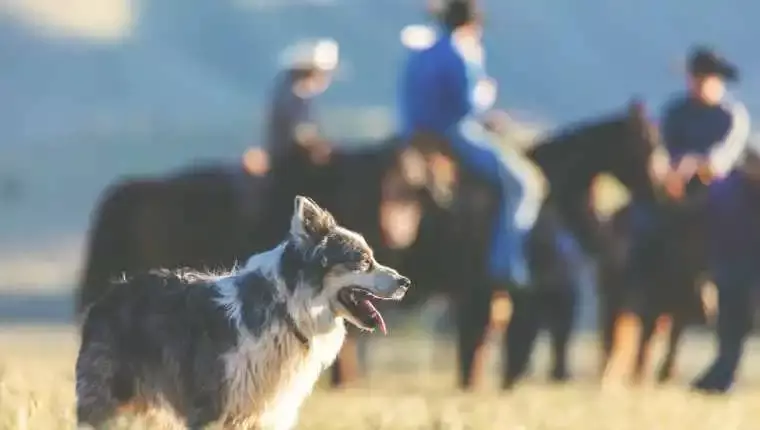
Unleashing the Power of Farm Dogs: The Unsung Heroes of the Countryside
Farm dogs have been essential partners in agriculture for centuries, serving as protectors, herders, helpers, and loyal companions. These hardworking animals are far more than pets — they are purpose-driven working dogs whose instincts, intelligence, and endurance support daily farm life in ways few other animals can. Understanding farm dogs, their roles, needs, and ideal breeds is key to building a productive, humane, and successful rural environment.
This guide explores what makes farm dogs unique, the different roles they perform, the best breeds for farm life, and how to care for them responsibly so they thrive both as workers and companions.
What Are Farm Dogs?
Farm dogs are working dogs bred or trained to assist with agricultural tasks. Their responsibilities can include herding livestock, guarding property, protecting animals from predators, controlling pests, and providing companionship to farmers and their families.
Unlike urban pets, farm dogs typically have:
- High energy levels
- Strong working instincts
- A need for structure and purpose
- Exceptional awareness of their surroundings
They are not simply outdoor dogs — they are intelligent, task-oriented partners that thrive when given responsibility.
Why Farm Dogs Matter More Than Ever
Modern farming still relies heavily on dogs despite advances in technology. Many tasks require instinct, adaptability, and judgment that machines simply can’t replicate.
Farm dogs help:
- Reduce labor demands
- Protect livestock from predators
- Improve efficiency
- Strengthen farm security
- Provide companionship in isolated environments
Their presence supports both productivity and emotional well-being, especially in rural settings where long hours and solitude are common.
Understanding the Core Roles of Farm Dogs
Not all farm dogs perform the same duties. Each role requires specific traits, temperaments, and instincts.
Herding Dogs
Herding dogs guide and control livestock movement using eye contact, posture, and precise motion. They are highly intelligent, responsive, and energetic.
Common tasks include:
- Moving sheep or cattle between pastures
- Sorting animals
- Preventing strays
- Managing herd flow
Herding dogs require mental stimulation and daily activity. Without work, they may develop behavioral issues.
Livestock Guardian Dogs (LGDs)
Guardian breeds protect livestock from predators such as coyotes, wolves, and foxes. They work independently, often staying with animals day and night.
Key traits include:
- Calm temperament
- Strong territorial instincts
- Loyalty
- Low prey drive
Unlike herding dogs, guardian dogs are not meant to chase or control livestock. They bond with the animals they protect.
General Farm Helpers
Some dogs serve as versatile helpers rather than specialists. They may assist with pest control, alert owners to unusual activity, or simply accompany farmers during daily tasks.
These dogs often:
- Patrol property
- Alert to strangers
- Provide companionship
- Adapt to multiple roles
They are especially valuable on small or mixed-use farms.
Best Dog Breeds for Farm Life
Choosing the right breed is essential. A dog’s instincts, energy level, and temperament must align with the demands of farm work.
Below are some of the most reliable and well-suited farm dog breeds.
Best Herding Dog Breeds for Farms
Border Collie
Often considered the gold standard of herding dogs, Border Collies are exceptionally intelligent and responsive.
Strengths:
- Extreme focus and trainability
- Agile and fast
- Excellent problem-solving ability
Best for farms that need precision livestock control.
Australian Shepherd
Highly energetic and people-oriented, Australian Shepherds thrive in active farm environments.
Strengths:
- Strong herding drive
- Loyal and protective
- Adaptable to multiple tasks
They require daily mental and physical engagement.
Australian Cattle Dog
Also known as the Blue Heeler, this breed excels at controlling stubborn livestock.
Strengths:
- Tough and resilient
- Independent thinker
- Excellent endurance
Best suited for experienced handlers.
Pembroke Welsh Corgi
Despite their size, Corgis are capable herders with surprising agility.
Strengths:
- Low center of gravity
- Intelligent and alert
- Good family compatibility
They work well on smaller farms or hobby properties.
Best Livestock Guardian Dog Breeds
Great Pyrenees
One of the most well-known guardian breeds, the Great Pyrenees is calm, watchful, and deeply protective.
Strengths:
- Strong bonding with livestock
- Gentle temperament
- Effective predator deterrent
They prefer autonomy and minimal interference.
Anatolian Shepherd
This ancient guardian breed is powerful and independent.
Strengths:
- Strong territorial instincts
- Excellent night watch behavior
- Highly protective
Best for large, open properties.
Maremma Sheepdog
Originating in Italy, Maremmas are devoted livestock guardians.
Strengths:
- Calm and observant
- Loyal to their flock
- Effective predator deterrents
They work best when raised alongside livestock from a young age.
Akbash
A lesser-known but highly capable guardian breed.
Strengths:
- Fast and alert
- Strong protective instincts
- Independent decision-making
Ideal for experienced handlers.
Versatile All-Purpose Farm Dogs
Labrador Retriever
While not traditional farm dogs, Labradors adapt well to farm life.
Strengths:
- Friendly and trainable
- Good pest control instincts
- Strong bond with humans
They are best suited for lighter farm duties.
German Shepherd
Highly intelligent and versatile.
Strengths:
- Excellent guard instincts
- Obedient and trainable
- Strong work ethic
They require consistent training and mental stimulation.
Belgian Malinois
Highly driven and athletic, best suited for experienced handlers.
Strengths:
- Exceptional intelligence
- High endurance
- Excellent protection abilities
Not ideal for beginners due to intensity.
What Farm Dogs Need to Thrive
Space and Purpose
Farm dogs require room to move and meaningful work. Without structure, boredom can lead to destructive behavior.
Daily Physical Activity
Even guardian breeds need daily movement. Herding dogs require significantly more exercise.
Mental Stimulation
Training sessions, problem-solving tasks, and structured routines keep dogs engaged.
Proper Nutrition
Working dogs burn more calories and need:
- High-protein diets
- Balanced fats
- Clean, constant access to water
Consult a veterinarian for feeding plans tailored to workload.
Training Farm Dogs the Right Way
Training should begin early and remain consistent.
Key training principles:
- Use positive reinforcement
- Establish clear boundaries
- Start with basic obedience
- Introduce livestock gradually
- Avoid harsh corrections
Farm dogs learn best through routine, repetition, and purpose-driven tasks.
Health and Safety Considerations
Farm dogs face unique risks. Preventative care is essential.
Important considerations:
- Regular veterinary checkups
- Vaccinations
- Parasite prevention
- Injury monitoring
- Secure fencing
Paw care and joint health are especially important for working dogs.
Farm Dogs as Emotional Companions
Beyond their labor, farm dogs provide emotional support. Rural life can be isolating, and these dogs often become trusted companions who offer consistency, loyalty, and companionship.
Their presence:
- Reduces stress
- Encourages routine
- Provides emotional grounding
- Strengthens the human–animal bond
Many farmers describe their dogs as partners, not pets.
Choosing the Right Farm Dog for Your Lifestyle
Before bringing a dog onto your farm, ask yourself:
- What work do I need help with?
- How much time can I dedicate to training?
- How large is my property?
- Do I have livestock?
- What level of independence can I manage?
Matching your needs to the right breed prevents frustration and ensures a healthy relationship.
Frequently Asked Questions
What is the best all-around farm dog?
Border Collies and Australian Shepherds are excellent all-around farm dogs due to intelligence and versatility.
Are farm dogs good family pets?
Many are, especially when properly trained and socialized. Temperament varies by breed.
Do farm dogs need formal training?
Yes. Even instinct-driven dogs benefit from structured training and guidance.
Can farm dogs live indoors?
Some can, especially versatile breeds, but many prefer outdoor access and space.
How much exercise do farm dogs need?
Anywhere from 1–4+ hours daily, depending on breed and workload.
Final Thoughts: Honoring the Heart of the Farm
Farm dogs are more than tools or helpers — they are intelligent, loyal partners whose contributions shape daily life in profound ways. From herding livestock at dawn to standing guard through the night, these dogs embody dedication, resilience, and trust.
When chosen thoughtfully and cared for properly, farm dogs become indispensable members of the farm family. Their work ethic, loyalty, and companionship enrich rural life and preserve a tradition that has supported humanity for generations.
By understanding their needs, respecting their instincts, and nurturing their strengths, you unlock the true potential of these remarkable animals — the unsung heroes of the countryside.

- Empowering Solutions for Involuntary Urination in Dogs - January 1, 2026
- Unleashing the Power of Farm Dogs: The Unsung Heroes of the Countryside - January 1, 2026
- The Unforgettable Charm of Animated Dog Movies: A Journey of Friendship and Adventure - January 1, 2026